
Extreme Landscapes of Earth
From frozen poles to burning deserts, Earth is home to some of the most extreme environments. These regions challenge life but also reveal the planet’s incredible diversity.
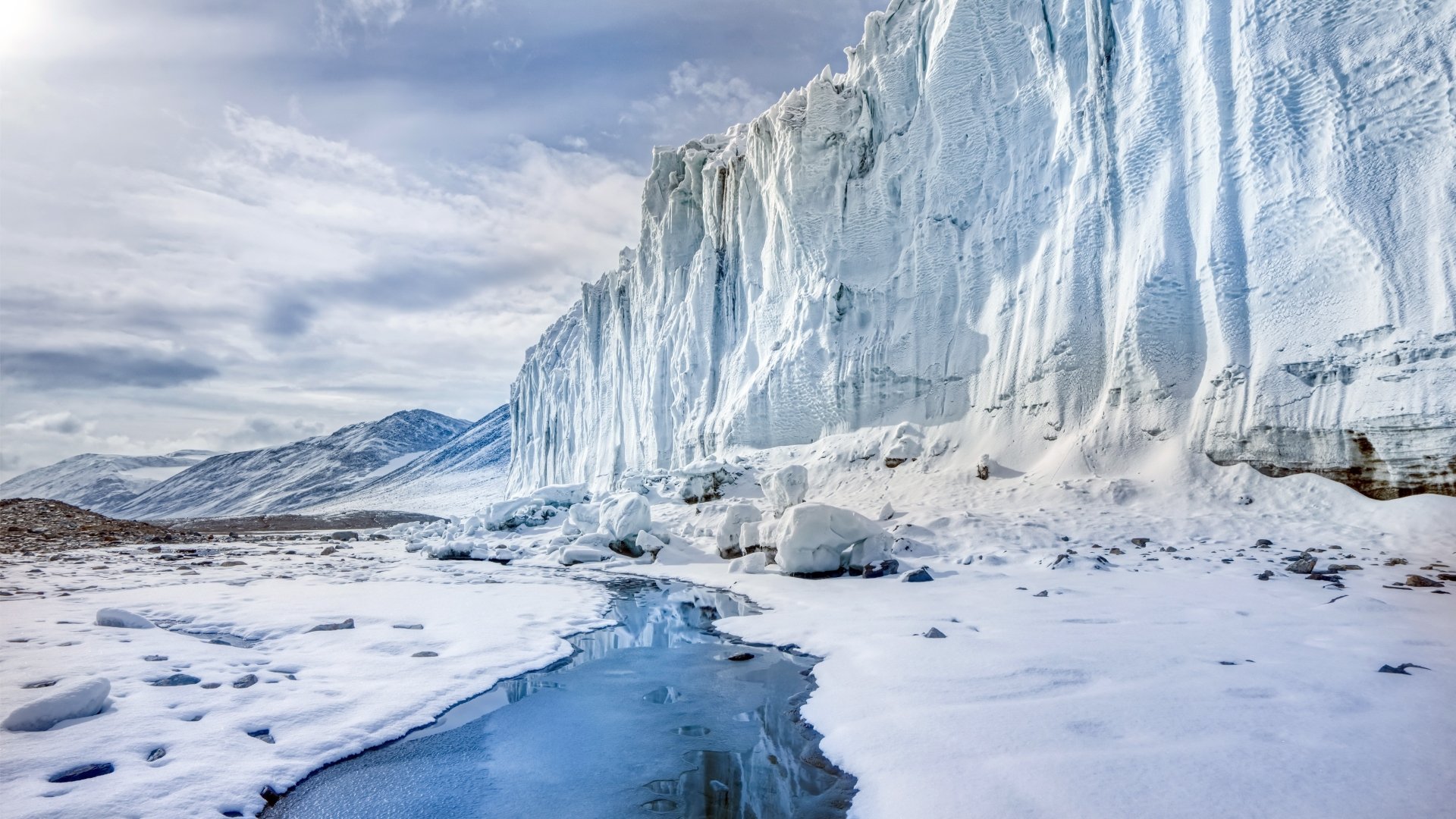
Antarctica – The Frozen Continent
Antarctica is the coldest, driest, and windiest continent on Earth. It is almost completely covered by ice and has no permanent human population.
- Average temperature: Below −50°C in winter
- Ice coverage: About 98 percent of the land
- Wildlife: Penguins, seals, and seabirds
Did you know? Antarctica holds around 70 percent of the world’s fresh water in the form of ice.
Deserts – Lands of Heat and Sand
Deserts are known for extreme heat, low rainfall, and vast open landscapes. Despite harsh conditions, many plants and animals have adapted to survive here.
| Feature | Description |
|---|---|
| Rainfall | Less than 250 mm per year |
| Temperature | Very hot during day, cold at night |
| Plants | Cactus, shrubs, dry grasses |
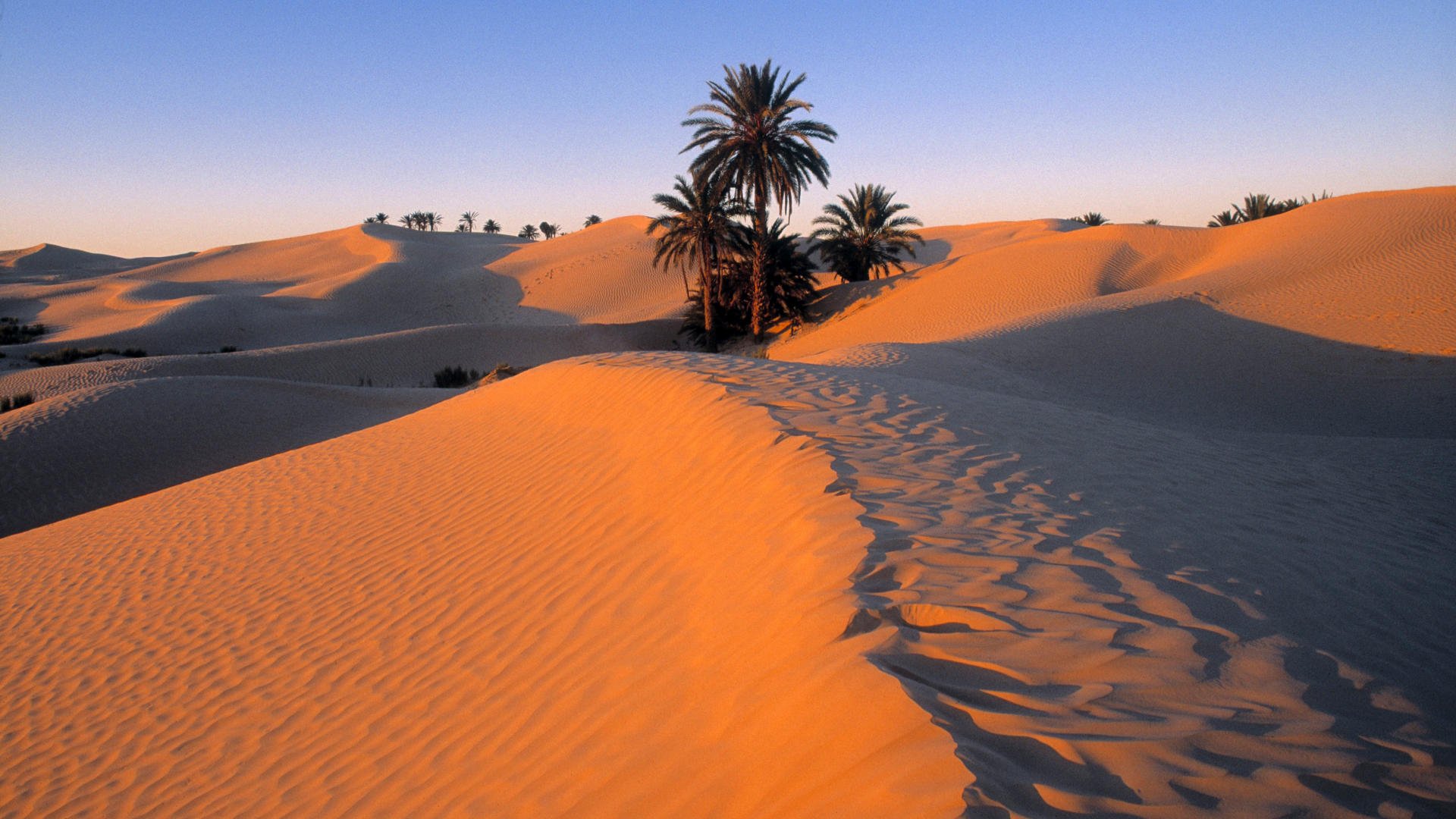
Antarctica vs Desert
- Temperature: Antarctica is freezing, deserts are extremely hot.
- Water: Antarctica has frozen water, deserts lack water.
- Life: Both have limited but well adapted life forms.
"Nature always finds a way to survive, even in the harshest places."
- Permafrost
- Ground that remains frozen for many years.
- Oasis
- A fertile area in a desert where water is available.
This is small text, commonly used for notes or references.
Ice melts at 0°C, while water freezes at the same temperature.
Extreme environments teach us about survival and climate change.